
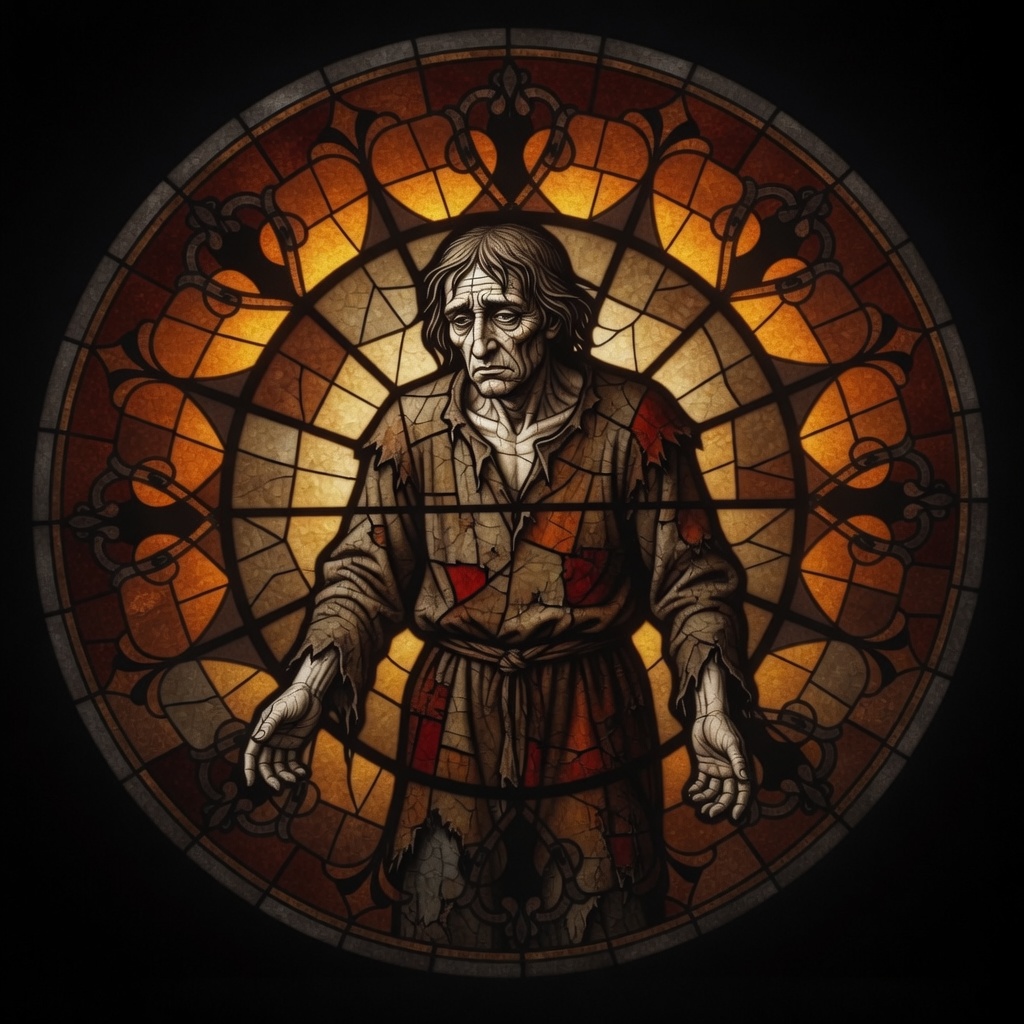
Human Potential
“What…defines a person as a unique individual? A natural disposition? A face? A vocabulary of gestures? Are we born individuals…or do we mold ourselves into unique creatures through our experiences and accomplishments?”
The Human Potential
Section titled “The Human Potential”Representing human capacity is delicate. We are limited, yet adaptable; we specialise; we can push past ordinary limits when will and body allow.
Kodranni separates that into four interlocking measures:
| Pillar | Role | Chapter |
|---|---|---|
| Foundations | Inborn potential. Nearly static (aging and trauma may shift it). Shapes what comes easy or hard — including Practice thresholds. | Full list of nine |
| Skills | Improvable practiced ability, grouped under six Archetypes (not classes). Improved through Practice. | Full skill lists |
| Traits | Binary specifics — techniques, conditions, languages, disabilities. You have it, or you do not. | Custom, not rated |
| Exertion | Will to push beyond the ordinary. Also the ledger for fatigue, hunger, and thirst. | Max = Resolve + Constitution + Charisma |

How They Meet the Dice
Section titled “How They Meet the Dice”When a character acts, the Storyteller selects the best-fitting Foundation + Skill pair from the player’s described intent (see Marks & Tiers).
- Advantage / Disadvantage set the die tier (d6 / d8 / d12) from context — not a stack of modifiers.
- Traits may short-circuit the roll entirely, or force Advantage / Disadvantage.
- Exertion may add one extra die (two when an Echo matches the moment).
- Harm reduces effective Foundations track by track (Harm).
Echoes are continuity — deeds carried forward — not a fifth measure of potential.
Primitive animal-tier actions (run, jump, haul, notice, recall, hold composure) use Foundation only, plus optional Exertion.

Reading Order
Section titled “Reading Order”If you have not yet: start with Dice Mechanics (when to roll), then Marks & Tiers, Omens, and Tide.
Then:
- Foundations — the nine inborn ratings
- Skills — Archetypes, Practice, full lists
- Traits — binary colour and permission
- Exertion — spend, restore, empty-pool penalty